Creating a relaxing home workspace is essential for maintaining productivity and well-being, especially as many people continue to work remotely. A well-designed, calm environment can help reduce stress, improve focus, and make your workday more enjoyable. Whether you have a dedicated room or just a small corner, these tips will help you transform your space into a peaceful productivity haven.
1. Choose the Right Location
Find a Quiet Spot
Select a place in your home that is quiet and free from distractions. Ideally, this should be away from high-traffic areas like the kitchen or living room, where noise and movement can interrupt your focus.
Consider Natural Light
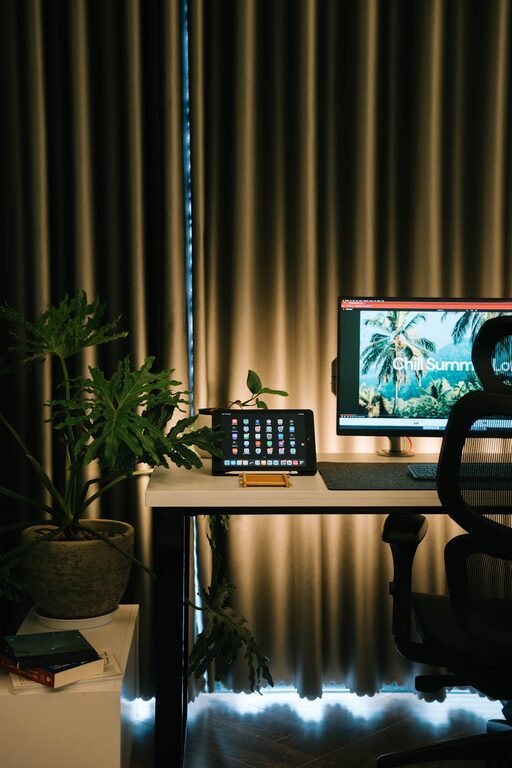
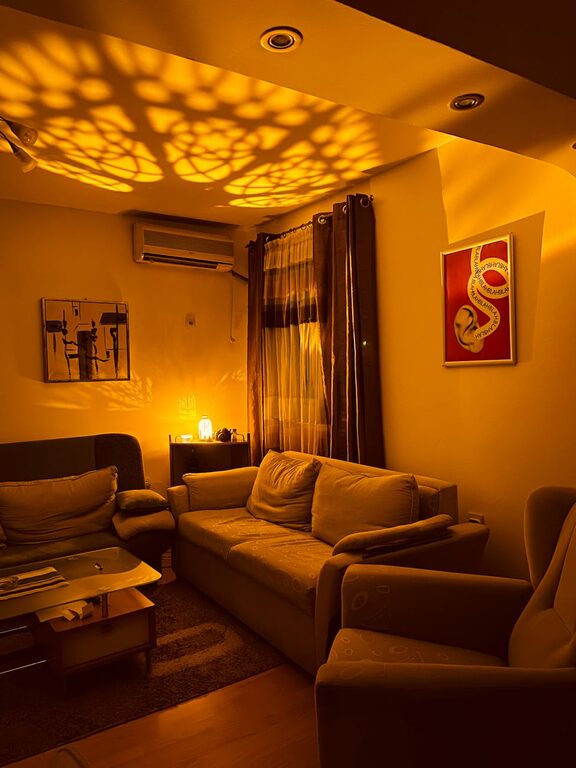
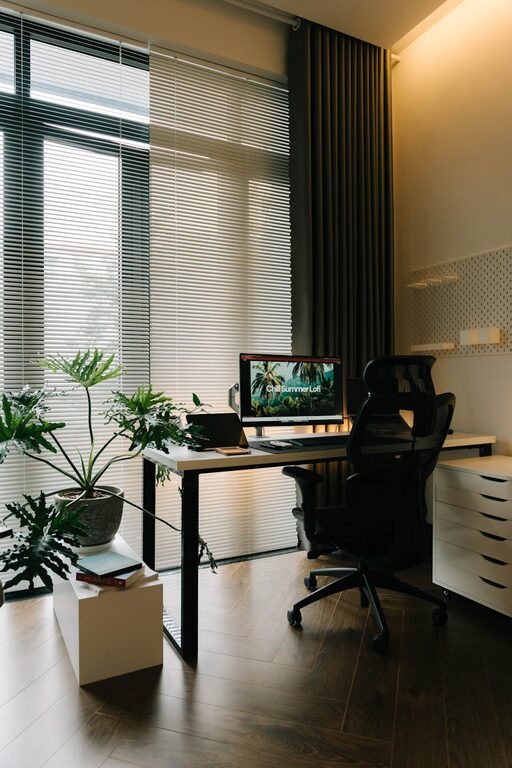
Natural light has a positive effect on mood and energy levels. Position your workspace near a window if possible. If natural light is limited, choose warm, soft artificial lighting to avoid eye strain and create a cozy atmosphere.
2. Invest in Comfortable Furniture
Ergonomic Chair and Desk
Invest in an ergonomic chair that supports your back and promotes good posture. Pair it with a desk at the right height to avoid strain on your wrists and shoulders.
Personalize Your Space
Adding a few personal touches, such as a favorite cushion or a small plant, can make your workspace inviting and relaxing without cluttering it.
3. Declutter and Organize
Keep Only Essentials
Clutter can overwhelm your mind and reduce productivity. Keep your desk clean and tuck away items you don’t use daily.
Smart Storage Solutions
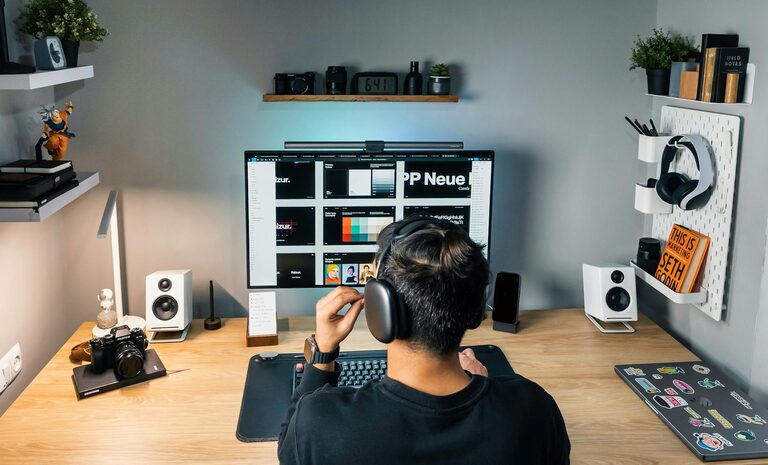
Use shelves, drawers, or organizers to store files and supplies neatly. Label containers to make it easy to find things quickly.
4. Create a Calming Atmosphere
Use Soothing Colors
Choose colors that promote calmness, such as soft blues, greens, or neutrals, for your walls and décor.
Add Natural Elements
Incorporate plants or small water features to bring a sense of nature indoors. Plants not only add beauty but also improve air quality.
Manage Noise
If background noise is a problem, consider noise-canceling headphones or a white noise machine to maintain concentration.
5. Set Boundaries
Define Work Hours
Establish clear work hours to separate professional and personal time, which helps reduce burnout.
Communicate With Household Members
Let others know your work schedule to minimize interruptions during important tasks or meetings.
6. Incorporate Movement and Break Areas
Take Regular Breaks
Include a stretch area or a comfortable chair nearby for short breaks. Moving around throughout the day helps prevent stiffness and refreshes the mind.
Use a Standing Desk Option
If possible, switch between sitting and standing to improve circulation and decrease fatigue.
7. Utilize Technology Wisely
Keep Cables Tidy
Use cable organizers to prevent tangled cords, which can create visual distraction and stress.
Choose the Right Tools
Equip your workspace with reliable devices and software that support your workflow to reduce frustration and boost efficiency.
Conclusion
A relaxing home workspace doesn’t require a complete renovation. By carefully selecting your location, investing in comfort, reducing clutter, and adding calming touches, you can create an environment that supports both relaxation and productivity. Remember to take breaks, set boundaries, and personalize your space to fit your needs. With these tips, your home workspace can become a place where you look forward to working every day.